
Hybrid Team Management Best Practices: Autonomy & Output

Enterprise directors today find themselves navigating a profound psychological tension: the mandate to drive uncompromising organizational performance while leading a workforce fragmented across physical offices and home environments. Executive leadership teams frequently express deep concern over corporate culture drift, diluted accountability, and diminished innovation. Simultaneously, top-tier talent views flexibility not as a privilege, but as a foundational prerequisite for cognitive engagement and long-term retention. This operational friction forces directors to transcend traditional oversight methodologies and adopt a sophisticated, evidence-based approach to distributed team dynamics.
As an industrial-organizational psychologist coaching senior leaders through systemic workplace shifts, I observe that the core issue is rarely physical location. Rather, it is executive reliance on outdated leadership heuristics built for co-located visibility. When directors try to recreate five-day office surveillance inside a distributed paradigm, they generate administrative drag and erode psychological safety. Establishing sustainable enterprise performance requires establishing modern hybrid team management best practices grounded in organizational behavioral science, clear output architecture, and deliberate equity design.
Executive Summary & Core Takeaways
- Strategic Reality: Hybrid work friction stems from applying legacy presence-based monitoring to distributed operational models. Modern leaders must transition from tracking physical visibility to building precise, output-focused organizational frameworks.
- Behavioral Shift: Directors must actively dismantle proximity bias by standardizing asynchronous communication systems and establishing objective performance evaluation protocols across all operational environments.
- Enterprise Impact: Aligning autonomous work practices with intentional organizational cohesion yields higher talent retention, reduces executive burn-out, and unlocks measurable multi-market productivity gains.
The Psychological Friction of Dual-Presence Leadership
Managing a hybrid workforce introduces a subtle cognitive tax that traditional management literature fails to address: the strain of dual-presence operating environments. When directors lead hybrid teams, they operate concurrently across two distinct cognitive ecosystems—the high-bandwidth, spontaneous physical room and the structured, asynchronous digital channel. Unconscious psychological mechanisms, particularly proximity bias, naturally cause leaders to assign higher competence, engagement, and strategic value to professionals standing physically beside them. This dynamic creates inequity that alienates remote contributors and distorts talent pipelines.
Organizational psychology demonstrates that human beings utilize cognitive shortcuts to process complex performance data. In co-located environments, physical presence, visual fatigue, and verbal participation during impromptu meetings function as proxies for effort and loyalty. In a distributed environment, these proxies evaporate. When directors lack structured assessment metrics, they experience anxiety, often reverting to micro-management, invasive activity monitoring, or forced return-to-office mandates. These reactive measures degrade trust and reduce intrinsic motivation among high-performing personnel.
Furthermore, dual-presence management disrupts communication architecture. In unstructured hybrid environments, hybrid teams fall into a worst-of-both-worlds operational trap: in-office employees hold spontaneous hallway meetings that exclude remote peers, while remote workers drown in constant video conferencing to prove digital presence. Unifying these parallel work experiences demands replacing reactive communication with explicit, equitable governance protocols across the enterprise.
A senior Vice President at a global financial services firm noticed a growing performance disparity and plummeting morale within her 140-person enterprise division. Internal auditing revealed that hybrid managers were unconsciously awarding 35% higher performance ratings and key strategic project assignments to in-office personnel, despite remote workers delivering identical metric outputs. By standardizing asynchronous project tracking and blind output evaluations across the department, the organization eliminated promotion variance within two quarters while increasing overall division retention by 22%.
Architectural Protocols for Equalizing Performance Equity
To eliminate proximity bias and optimize hybrid operations, directors must transition from monitoring activity inputs to measuring objective performance outputs. This operational shift requires clear framework architecture, standardized documentation processes, and performance evaluations insulated from physical location. When output expectations are explicitly quantified, location becomes irrelevant to talent evaluation.
Implementing an asynchronous-first communication protocol forms the foundation of this structural realignment. When default communications occur in transparent, centralized digital platforms rather than behind closed office doors, every team member retains equal access to strategic information, project updates, and decision contexts. In-office presence ceases to confer an unfair information advantage, creating an equitable platform for every contributor.
Additionally, physical office space must be intentionally repurposed. Requiring knowledge workers to commute into an executive office merely to sit on video calls all day damages morale and operational efficiency. Physical gathering spaces should be reserved for high-value collaborative initiatives, strategic planning, complex problem solving, and intentional relationship building, leaving individual focus work for remote environments.
- Asynchronous Operating Standard: Document all core operational decisions, project updates, and strategic briefings within a centralized, searchable repository before holding live meetings. This guarantees equal context for both remote and co-located personnel while reducing redundant sync meetings.
- Objective Metric Calibration: Define concrete Key Performance Indicators (KPIs) and key results for every role, shifting performance reviews entirely to deliverable quality, timeline adherence, and verified outcomes rather than tracked hours or physical attendance.
- Intentional Space Design: Re-architect physical office schedules around collaborative synthesis, team alignment workshops, and relationship building rather than individual task execution, ensuring in-person time yields clear strategic ROI.
Cultivating Organizational Cohesion Without Mandated Coercion
Corporate culture is not generated by physical square footage; it is synthesized through shared values, consistent leadership behaviors, and mutual psychological safety. Mandatory social events and arbitrary office attendance mandates often fail to build genuine organizational alignment. True executive leadership requires building connection systems that integrate naturally into the flow of daily work across distributed environments.
Psychological safety serves as the primary predictor of high-performing distributed teams. In remote and hybrid setups, professionals are less likely to raise strategic risks or admit mistakes if they feel socially isolated or insecure about their standing. Directors must actively build psychological safety by demonstrating personal vulnerability, encouraging open debate during virtual forums, and recognizing contributions from all team locations equally.
Furthermore, informal social capital—the spontaneous trust built between colleagues—must be cultivated systematically rather than left to chance. Establishing structured peer coaching pairs, cross-functional problem-solving squads, and dedicated digital channels for non-operational dialogue builds lasting cross-organizational trust without requiring physical proximity.
“True hybrid leadership is not about managing physical locations; it is about designing psychological environments where executive output and human dignity thrive simultaneously.”
Frequently Asked Questions
How do you evaluate remote employees fairly?
Evaluating remote personnel fairly requires decoupling performance assessments from physical presence and subjective visibility. Executive leaders must establish clear, output-based evaluation matrices that measure concrete deliverable quality, project milestone completion, and strategic impact. Standardize performance reviews across identical rubrics for both in-office and remote team members, utilization of objective goal tracking software, and conduct blind performance audits where feasible to eliminate implicit proximity bias and maintain operational equity.
What prevents proximity bias in hybrid organizations?
Mitigating proximity bias requires systematic operational design rather than relying solely on individual managerial goodwill. Executive directors must mandate asynchronous-first documentation standards so strategic information flows equally to all personnel regardless of location. Furthermore, standardizing meeting protocols—such as requiring all participants to join via individual video links if one person is remote—ensures co-located groups do not dominate discussions or make unrecorded side-decisions that margin remote colleagues.
How do high-performing hybrid teams maintain camaraderie?
High-performing hybrid teams build sustainable camaraderie through intentional, structured connection mechanisms integrated directly into workflow routines rather than forced social events. This includes launching cross-functional peer mentoring programs, beginning tactical meetings with brief personal context checks, setting dedicated digital spaces for strategic brainstorming, and organizing purpose-driven, high-impact in-person retreats focused exclusively on strategic alignment, team trust building, and collaborative innovation.
Executive Reflection & Next Steps
Reflect honestly on your current operational leadership baseline: Are your operational systems designed to evaluate real business impact, or are you relying on visual presence as a proxy for executive performance? Modern leadership requires dismantling legacy habits, embracing asynchronous execution models, and building high-trust organizations equipped for long-term scalability.
At CultivateXcellence, we partner with enterprise executives, directors, and emerging leaders to master complex organizational transformations. Through executive coaching, workforce strategy, and specialized leadership development curriculum available at CultivateXcellence Courses, we help organizations translate human-centered management science into competitive market performance. Bridge the gap between performance and flexibility, and lead your hybrid workforce with strategic clarity.
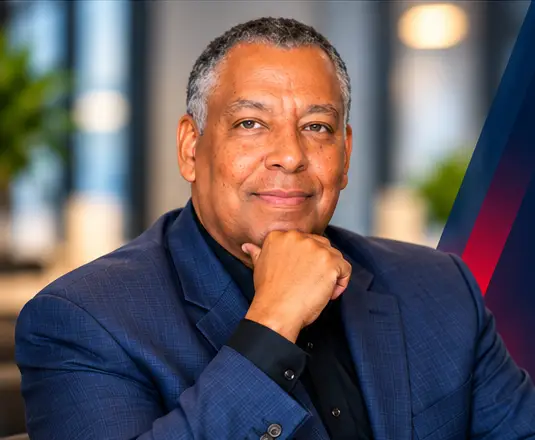
Dr. Victor Reynolds is an IO Psychologist and Career Development Coach. With over 20 years of experience in leadership, human resources, and higher education, he specializes in helping professionals navigate career transitions, strengthen workplace skills, build confidence, and achieve meaningful career advancement.